
In short
A sump pit pump switches on when a float switch rises with the water level and off when it falls, lifting water out through a non return valve. Many Dubai buildings use two pumps, one on duty and one on standby, with a high level alarm. Most pump failures start with sludge or sand jamming the float or blocking the intake.
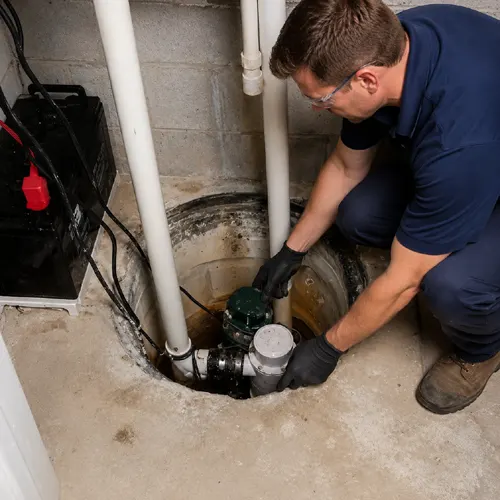
Two kinds of pit
A sewage sump pit, often called an ejector pit, collects wastewater from fixtures below the level of the sewer connection, such as basement bathrooms, laundries or kitchens, and pumps it up into the drainage system. A groundwater or car park pit collects seepage, rainwater and wash down water, and pumps it clear. The first fills with organic sludge and grease, the second with sand and silt. Both stop pumps in the same way.
How the float switch controls the pump
The float switch is a sensor that rises and falls with the water. When it reaches the start level, the pump runs. When the level drops to the stop level, the pump switches off. If sludge builds up around the float or debris snags its cable, it can stick in either position. Stuck up, the pump runs constantly and burns out. Stuck down, the pump never starts and the pit overflows.
This is why cleaning the pit and swinging every float through its full range is part of a proper service.
Duty, standby and alarms
Many commercial pits have two pumps. The duty pump does the daily work, the standby pump takes over if the duty pump fails or the inflow is high, and good controllers alternate them so both stay exercised. A high level float above both start levels triggers an alarm, which is the building's last warning before the pit overflows.
An alarm that sounds regularly is not normal behaviour to live with. It means a pump, a float or the pit itself needs attention.
The non return valve
Each pump discharges through a non return valve that stops pumped water falling back into the pit when the pump stops. If the valve fails, water drains back, the level rises again almost immediately, and the pump cycles far more often than it should. Short cycling is one of the clearest signs of a failing valve, and it wears pumps out quickly.
Keeping pumps alive
Most pump failures we see trace back to a dirty pit. Clean the pit on a schedule, quarterly for most commercial buildings and every one to two months for pits receiving kitchen or laundry water, and test each pump on every visit. Our sump pit cleaning service records a test result for every pump. If the pit floods because the incoming line is blocked, the line needs jetting instead.
Services That Help
- Sump Pit Cleaning, Basement and car park sump pits emptied of sludge and sand, washed down, and pump floats checked, so the pumps run the day the water arrives.
- High Pressure Water Jetting, Blocked drains cleared at the cause. Hydro jetting nozzles scour grease, scale and sand off the full pipe wall, restoring original flow instead of a temporary hole.
Questions About This Topic
How long should a sump pump last?
Lifespan depends heavily on how hard the pump works and how clean the pit is kept. Pumps in clean pits with free moving floats last far longer than pumps that run against sludge and sand. Regular cleaning and testing is the best way to get full life from a pump.
Why does my sump alarm go off during rain?
Rain increases inflow, so a pump that copes on a normal day may not keep up if its intake is partly blocked, its float is sluggish, or the standby pump is not working. An alarm during rain is a warning to have the pit cleaned and both pumps tested before the next storm.